When I first started researching air quality for my own home, I was baffled by the numbers. I saw tiny desktop units selling for $40 and massive, medical-grade towers selling for $1,200. On the surface, they both promised the exact same thing: “clean air.”
It begs the question: How much do air purifiers cost, really? And more importantly, is the expensive one actually doing 30 times the work of the cheap one?
The short answer is no. But the cheap one might end up costing you more in the long run.
In this guide, I’m going to walk you through the real economics of clean air. We will move past the sticker price and look at the “Total Cost of Ownership“—the math that determines whether you are buying a helpful appliance or a money pit.
The Short Answer: What You Should Expect to Pay
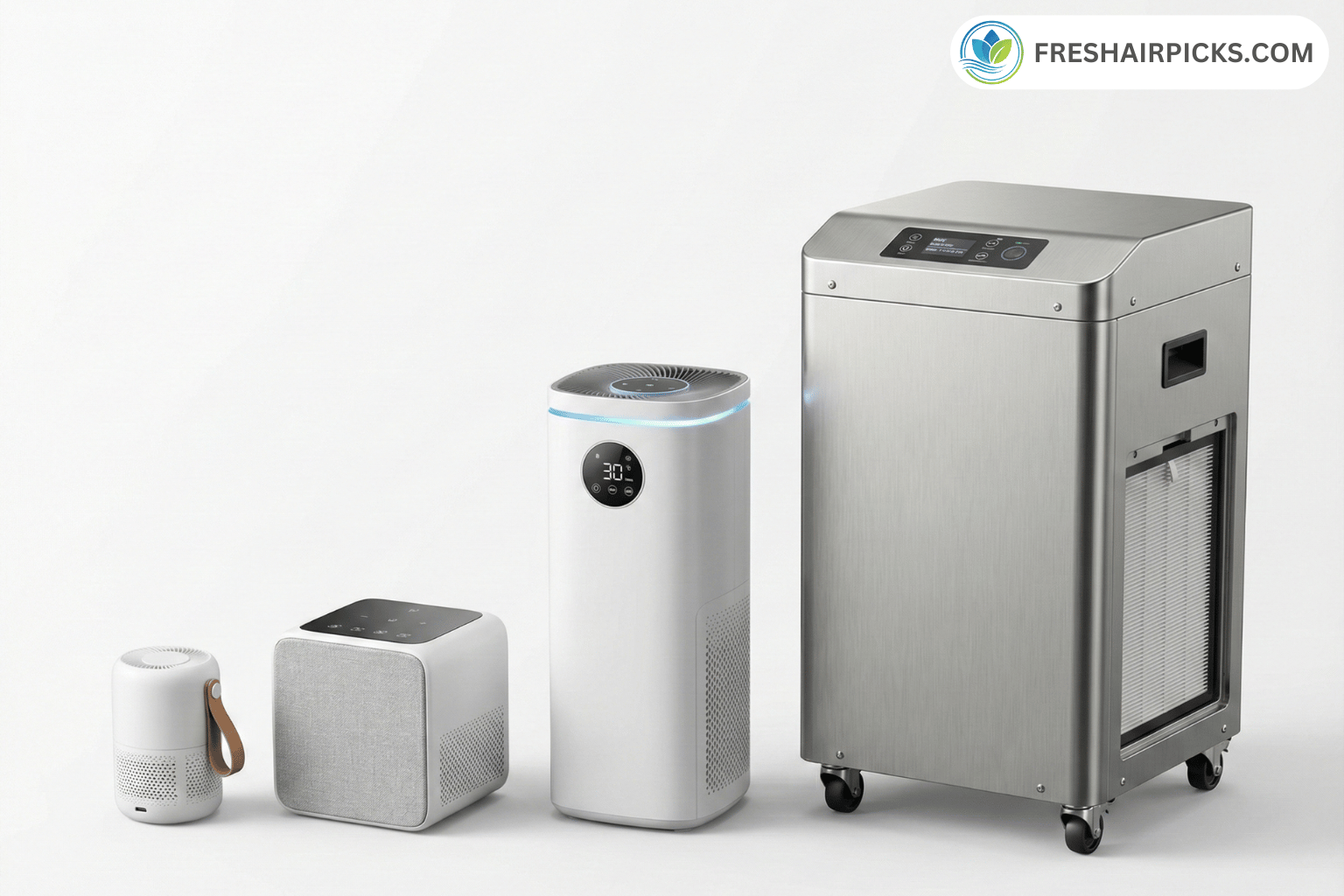
If you are in a rush and just need a baseline for your budget, here is the snapshot of the 2025 market.
Prices generally fall into four distinct tiers based on the room size they can effectively clean (measured in Square Feet) and the power of their motor.
- Entry-Level / Personal ($40 – $90): These are compact units designed for small spaces like desktops, dorms, or bathrooms (under 150 sq. ft.). Warning: These are often loud for their size and struggle to clean a regular bedroom.
- Standard Residential ($120 – $250): This is the “Value Sweet Spot” for most families. In this range, you typically get a “True HEPA” filter, a quiet motor, and enough power to clean a master bedroom or small living room (200 – 400 sq. ft.).
- High Performance ($300 – $600): These units are larger and engineered for open-plan living areas (800+ sq. ft.). You are paying for a bigger fan that can move a lot of air while staying whisper-quiet.
- Medical / Luxury ($800 – $1,500+): These are specialized machines. They often feature metal casings, massive carbon filters for heavy smoke or chemical removal, and certifications for clinical environments.
The “Hidden” Costs: Why the Sticker Price is Misleading
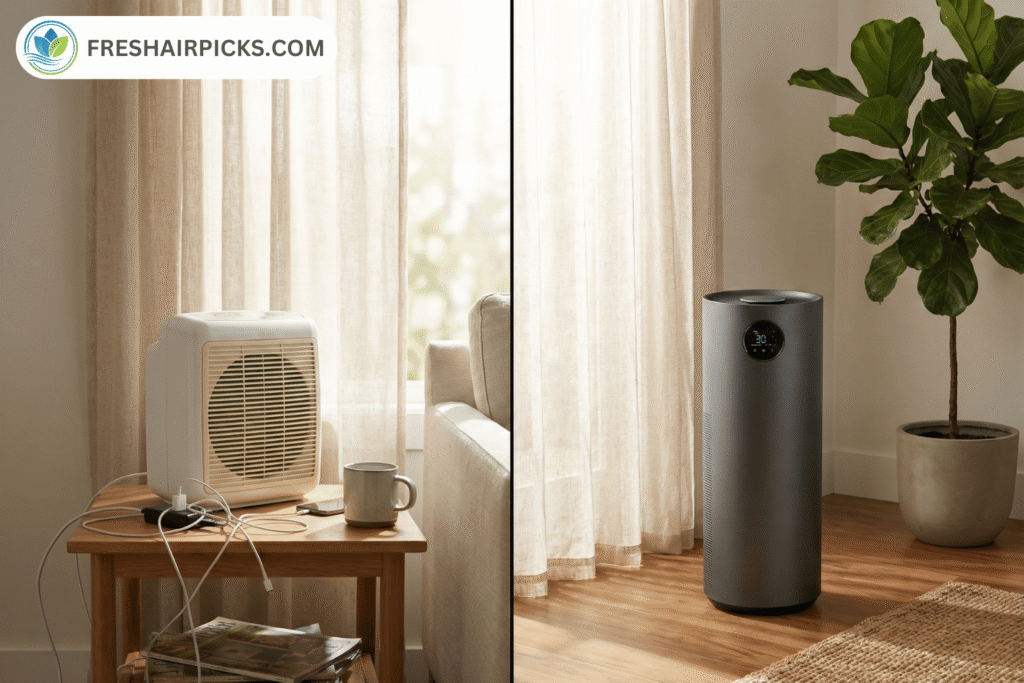
When you ask, “how much is an air purifier,” the price tag on the box is only half the story.
Think of an air purifier like a printer. The printer itself might be cheap, but the ink cartridges are where the real cost lies. In the air quality world, we call this the Total Cost of Ownership (TCO).
If you buy a bargain-bin unit, you might save money today, but you will bleed money over the next five years. Here is where the money actually goes.
The “Razor-and-Blade” Filter Model
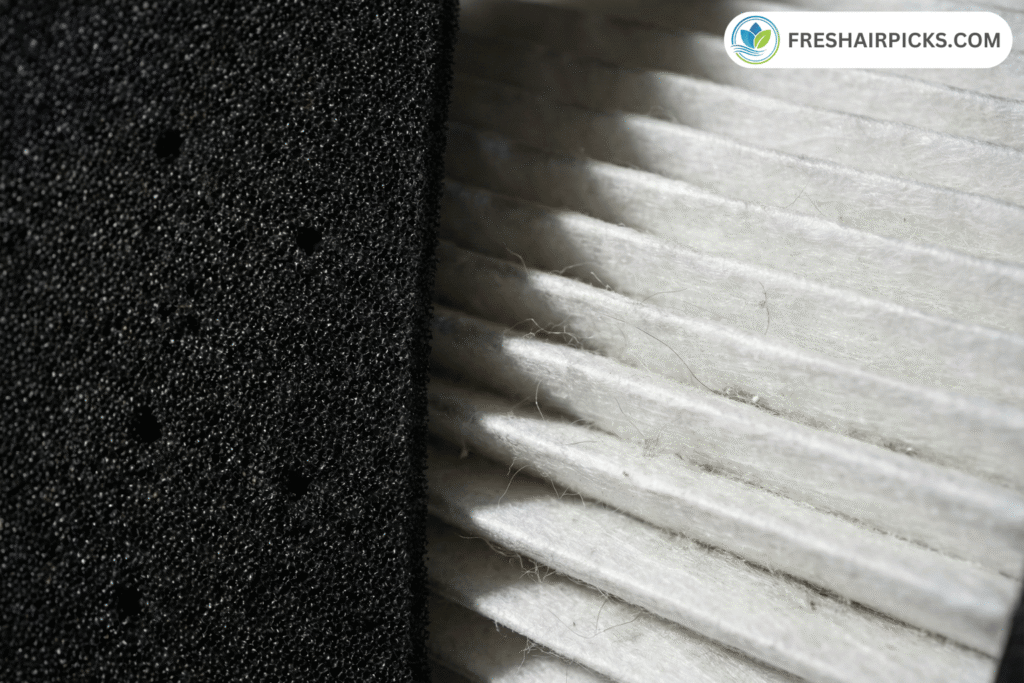
Manufacturers often sell entry-level units at a loss, knowing they will make their profit when you buy replacement filters.
- The “Cheap” Trap: You buy a $99 unit. It uses small, inefficient filters that clog quickly and need replacing every 4 months at $30 each. That is $90 a year in filters.
- The “Quality” Investment: You buy a $300 unit. It uses a massive, deep-pleated filter that lasts 12 months and costs $60. That is $60 a year.
Over 5 years, the “cheap” unit costs you $450 in filters. The expensive unit costs you $300. Eventually, the better machine pays for itself.
Energy Consumption (The 24/7 Factor)
How much do air purifiers cost to run? This is the most common worry I hear.
The reality is that for an air purifier to work, it needs to run 24/7. You are constantly introducing new pollutants (dust, cooking smoke, breathing), so the machine must constantly filter them out.
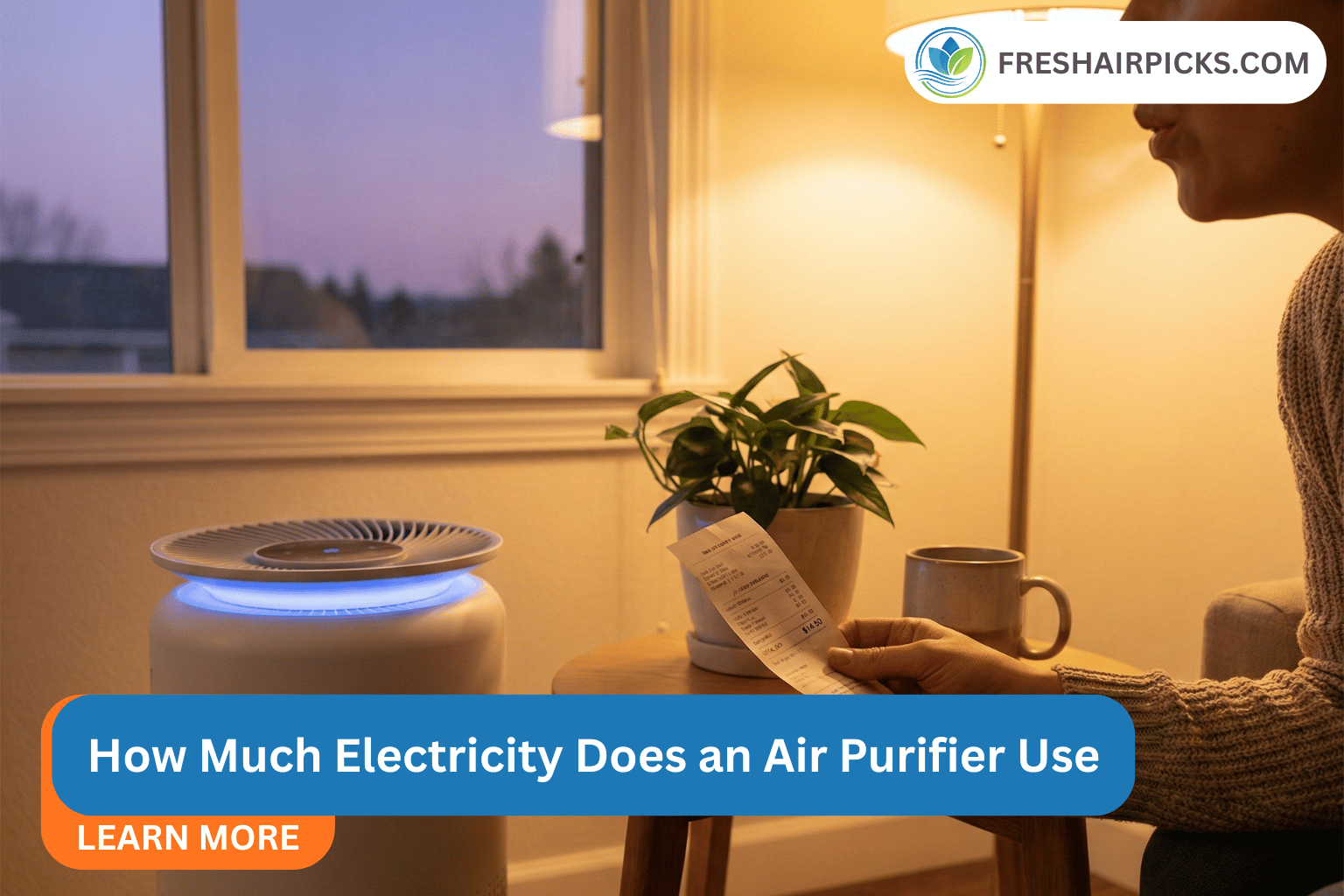
- Inefficient Motors: Older or cheaper units often use AC motors that consume 80-100 watts. Running that 24/7 can add $70 to $100 per year to your electric bill.
- Energy Star Units: Modern units in the $150+ range typically use Brushless DC (BLDC) motors. These sip energy, often using just 5-10 watts on auto mode. This costs less than $15 per year to run.
What Are You Actually Paying For? (The 3 Cost Drivers)
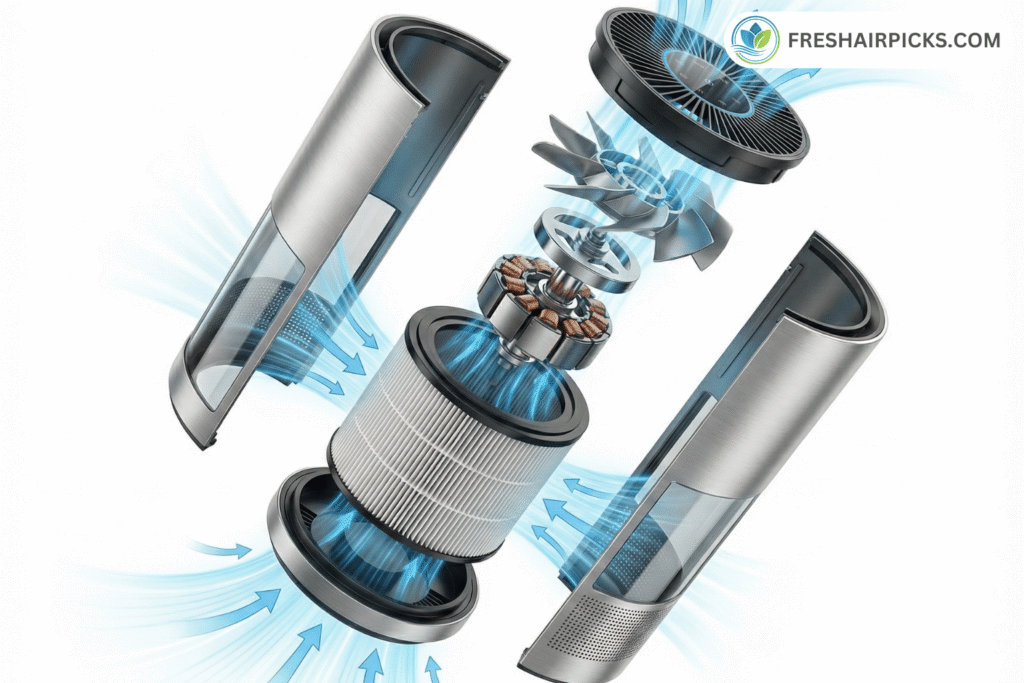
So, why are air purifiers so expensive once you leave the budget aisle? You aren’t just paying for a brand name; you are paying to solve a specific physics problem called the “Pressure Drop.”
To catch tiny viruses and smoke particles, you need a very dense filter. But pushing air through a dense filter is hard—it creates resistance (pressure drop). To overcome that resistance without sounding like a jet engine requires expensive engineering.
1. The Motor (Noise vs. Power)
This is the biggest differentiator. A cheap motor has to spin incredibly fast (and loud) to force air through a HEPA filter. A premium motor has higher torque, meaning it can push air through that dense filter gently and quietly.
If you value silence—especially for a nursery or bedroom—you are paying for that superior motor technology.
2. The Filter Media (HEPA & Carbon)
How much are air purifier filters when they are “True HEPA”?
- True HEPA: To capture 99.97% of particles at 0.3 microns, manufacturers use a dense mat of glass fibers. These are folded into “pleats” like an accordion. More pleats = more surface area = longer life. You are paying for that material.
- Activated Carbon: This catches odors and gases. Cheap units use a “carbon sheet” that looks like a black sponge; it costs pennies and does almost nothing. Premium units use “carbon pellets” measured in pounds. If you need to remove cigarette smoke or cat litter smells, you have to pay for the physical weight of that carbon.
3. Verifiable Performance (CADR Ratings)
You are buying a service: Clean Air Delivery Rate (CADR). This number tells you exactly how much filtered air the machine pumps out per minute.
When you analyze the market, the best way to judge value is Dollars per CADR.
- Sometimes a $200 unit gives you 250 CADR (Great value).
- Sometimes a $600 unit gives you 250 CADR (Poor value—you are paying for “design”).
How to Calculate Your Budget (The “2/3 Rule”)
If you are feeling overwhelmed, don’t worry. There is a simple rule of thumb established by the Association of Home Appliance Manufacturers (AHAM) to help you find the right size and price.
The Rule: The CADR of your air purifier should be at least two-thirds of your room’s square footage.
Step 1: Measure your room.
Multiply the length by the width. Let’s say you have a master bedroom that is 15 x 20 feet. That’s 300 square feet.
Step 2: Apply the Math.
$300 \times \frac{2}{3} = 200$.
Step 3: Find the Price.
You need a unit with a CADR of at least 200. Looking at the market, units with a CADR of 200 usually fall into that $120 – $200 range.
Note: If you are dealing with heavy wildfire smoke or high ceilings, aim for a 1:1 ratio (e.g., 300 sq. ft. needs 300 CADR) for faster cleaning.
Myths That Inflate the Price (What to Avoid)
As a consumer advocate, I want to save you money. Manufacturers love to add “features” that jack up the price without actually cleaning the air better.
- Myth: “Smart” Features Clean Better.
Wi-Fi connectivity, apps, and voice control are convenient, but they don’t scrub particulates. These features often add $50–$100 to the cost. If you are on a budget, a “dumb” unit running on Auto mode cleans exactly the same way. - Myth: UV Light Kills Everything.
In portable units, the air moves too fast past the UV bulb for it to effectively sterilize biological contaminants. It’s often a marketing gimmick that adds to your initial cost and maintenance (bulb replacements). - Myth: Filterless Units Save Money.
How much does a good air purifier cost if it doesn’t use filters? Often $400+. While you save on filters, these units (like ionic or PCO purifiers) require frequent manual cleaning. If you forget to wash the plates, they stop working entirely.
FAQ: Common Price & Performance Questions
How much does it cost to run an air purifier all day?
If you have a modern, Energy Star-certified unit, it is surprisingly cheap. It acts like a standard lightbulb. In most US states, running it 24/7 will cost between $0.80 and $1.50 per month. Older units can cost triple that, so check the wattage before you buy.
Why are there such huge price differences between brands?
It often comes down to brand positioning and build quality. A generic industrial unit might offer high performance (high CADR) for a low price but look ugly and sound like a jet engine. A “lifestyle” brand charges a premium for a sleek design, matte finish, and quiet operation.
How much are air purifier filters on average?
For a standard room unit, expect to pay $40 to $60 once a year for a high-quality True HEPA replacement. If the filter costs less than $20, be skeptical—it might lack the density to capture ultrafine particles effectively.
Is “Medical Grade” necessary for home use?
For 95% of homes, no. A standard “True HEPA” (H13) filter captures 99.97% of particles, which is sufficient for pollen, mold, dust, and smoke. “Medical Grade” (H14) creates more air resistance, which means the machine needs a louder, more expensive motor to work. Unless you have a severely immunocompromised family member, the extra cost usually isn’t necessary.
Final Verdict: The “Sweet Spot” for Most Homes
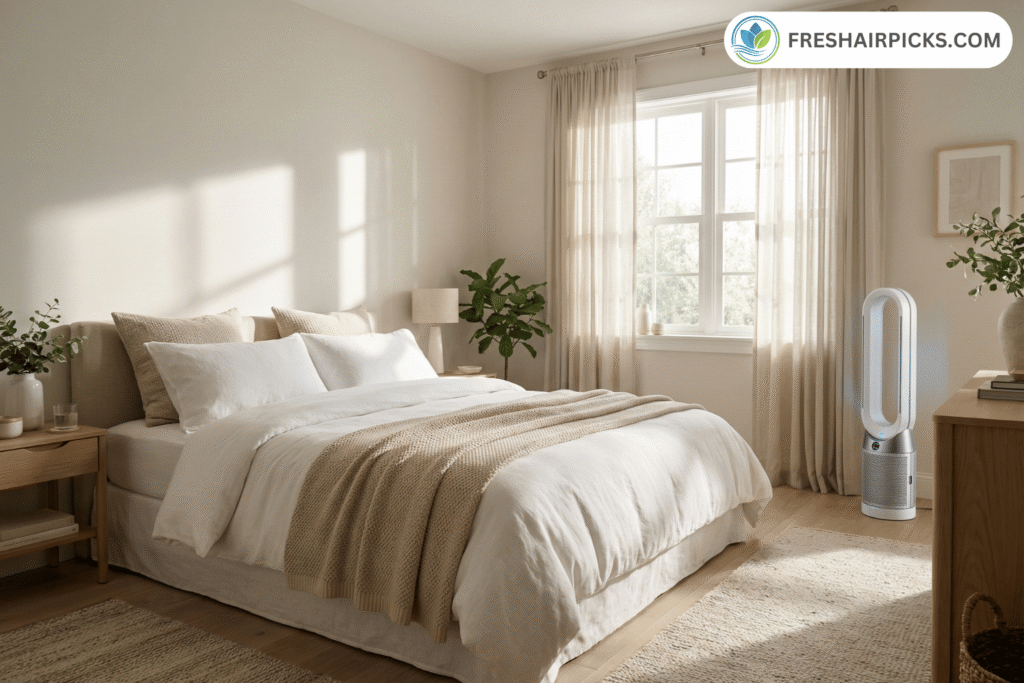
So, how much does a good air purifier cost?
For the vast majority of families I talk to, the “Sweet Spot” is between $150 and $250.
At this price point, you are crossing the threshold from “toy” to “tool.” You get a verifiable True HEPA filter, a motor efficient enough to run 24/7 without spiking your electric bill, and enough power to clean a master bedroom or living area.
Spending less often means sacrificing health for savings. Spending more often means paying for luxury, not performance.